
One third of people with depression don’t respond to medication.
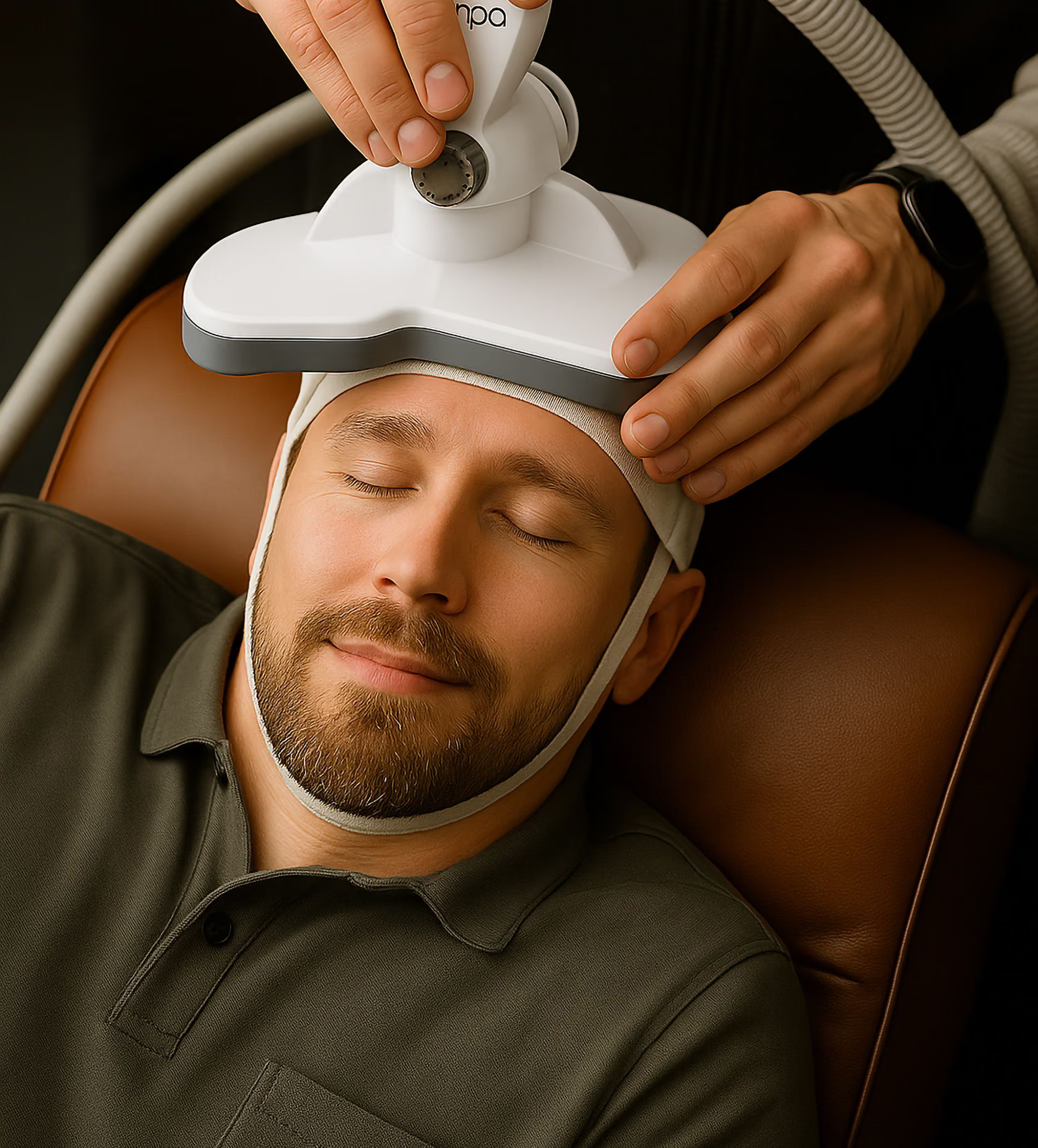
That’s roughly 8.9 million adults in the US who’ve tried medication and are still symptomatic. TMS is a different kind of intervention: no surgery, delivered while the patient is awake and alert. It’s been FDA-cleared since 2008 and has minimal side effects.
Since 2008
TMS has been FDA-cleared for treatment-resistant depression in adults.
No surgery. No anesthesia.
TMS is a non-invasive, outpatient treatment.
Well-tolerated
The most common side effects of TMS are mild scalp discomfort and headache during or shortly after treatment. Seizure is a rare risk, comparable to or lower than rates seen with common antidepressant medications.
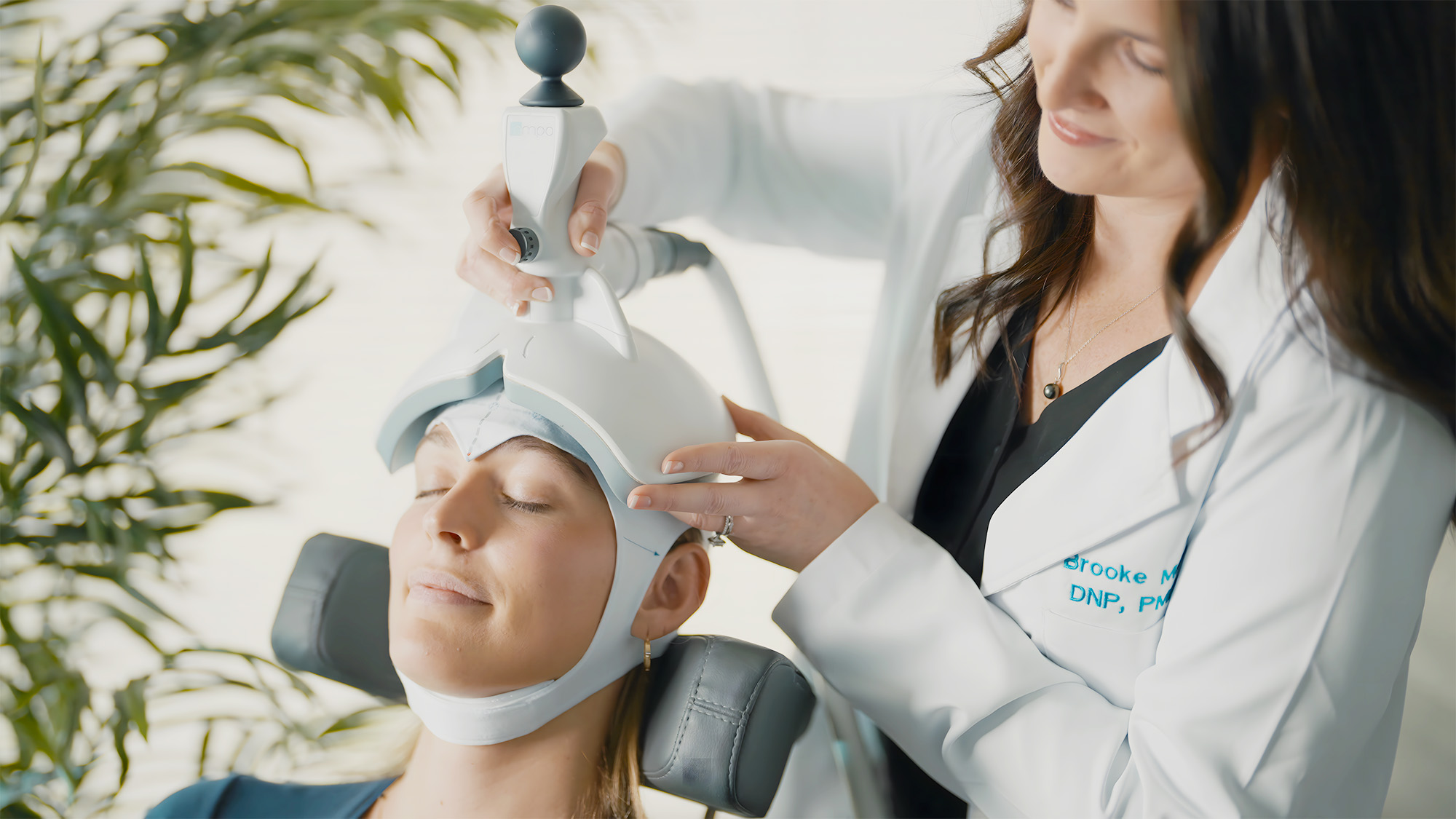
Technology gets better over time. Now it's TMS's turn.
Defibrillators used to live in a hospital crash cart; now they’re on the wall at the gym. Prescription renewals used to land in the fax machine; now they’re electronic. And glucose monitoring is now continuous, thanks to a small, portable device. Time and again, technologies that used to be complicated and expensive are now small, user-friendly and affordable.
TMS has been waiting for its moment. Now, with Ampa One, that moment has arrived.
Everything you need, nothing you don’t.
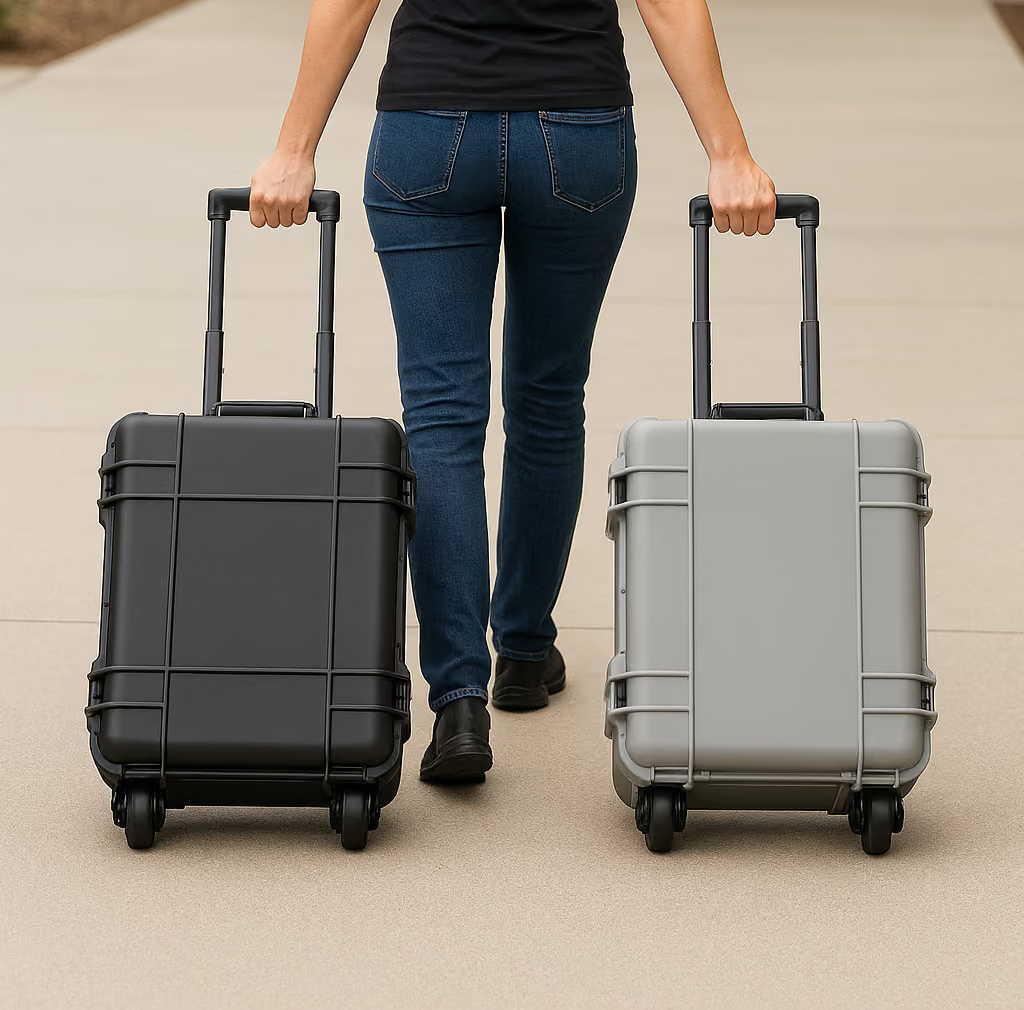
Set Ampa One up in a treatment room or wherever you need it. Everything packs into two portable suitcases. Here's what that means for you:
Ampa One’s flexibility allowed us to add 100+ treatment courses without changing our existing schedule or space.
— Dr. David Carreon, Acacia Clinics













Built on the research that made modern TMS possible.
The senior author of the THREE-D trial, the study that shortened TMS sessions roughly tenfold with no loss of efficacy, is also an Ampa co-founder, Jonathan Downar, MD, PhD. The latest frontier of research from Dr. Downar is a condensed treatment schedule called One Day Program, which allows patients to complete an entire TMS course in a single day rather than multiple weeks.
Cancel anytime. Nothing up front.
- No per-treatment fees, unlike some conventional TMS systems
- Month to month, so adding TMS doesn't mean a capital purchase, a five-year lease, or a loan
- If it's not a fit, send it back
Treat patients on day one.
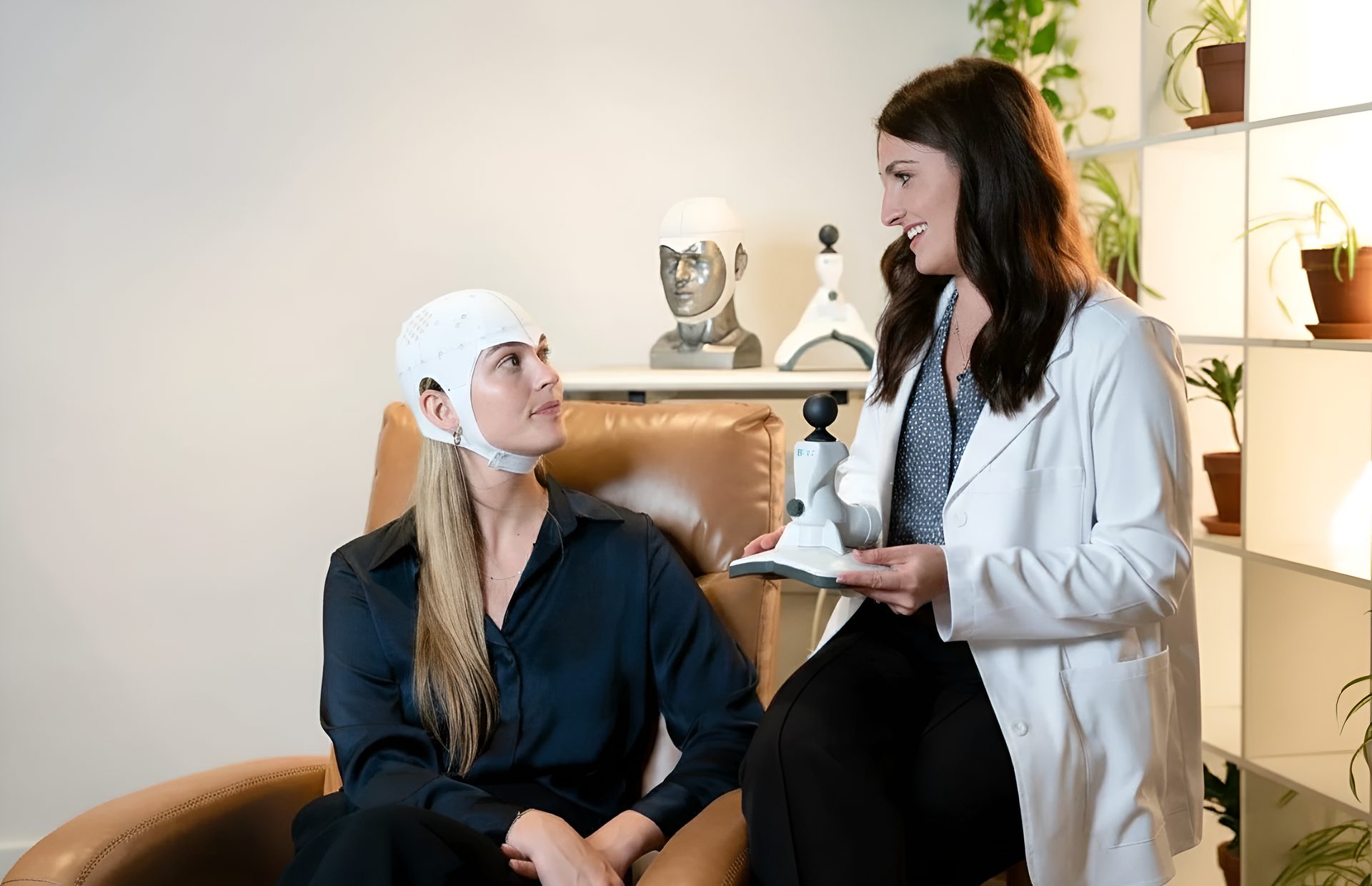
- Learn Ampa in a few hours
- Set up a patient in 1 minute
- Proven capability for 60+ TMS sessions per day
- Pre-printed caps and AI help keep pulses on target
Already offering ketamine? Now you can add TMS easily.
If you deliver ketamine or esketamine, you already have the room, the chair, the monitoring setup, the patients, and staff comfortable with interventional psychiatry. Ampa One adds TMS to that room without a second buildout, letting you treat patients who aren’t candidates for ketamine or didn’t respond to it, and offer a second option to the ones who are.


Looking for treatment?
Ampa doesn’t treat patients directly. We build the system that clinics use. If you’re looking for TMS for yourself or someone you care about, find an Ampa provider near you.
Frequently asked questions
The questions clinics ask before choosing Ampa One
Your subscription covers the full system: the pulse generator, coil, tablet, and cases. It includes installation, staff training, and warranty, along with certain software and hardware upgrades. Neuronavigation caps are purchasable as needed.
Yes. The system is designed to work in an existing exam or consult room. Some clinics even position patients on a couch. No dedicated treatment room required.
Staff training takes about three hours, and setup for a session takes about 1 minute. If your first patient is already scheduled and ready, you could treat them the same day training is complete.
Whether TMS is right for your practice is a clinical decision your prescribing physician makes for each patient. Ampa One is FDA-cleared for the treatment of Major Depressive Disorder in adults who haven't achieved satisfactory improvement from prior antidepressant medication in the current episode. Your physician determines whether a specific patient is a candidate, based on their history and presentation.
Ampa One is a prescription treatment: a physician prescribes it and obtains consent, per international TMS guidelines. Day-to-day sessions can be run by a clinician or a trained technician working under supervision. No US states currently require licensure to deliver TMS. Training on the system itself takes about three hours.
TMS for major depressive disorder is covered by Medicare and nearly all commercial insurers, generally once a patient has tried and not responded to 1-2 antidepressant medications. Coverage for accelerated protocols is still developing.
One billion remissions.
Ampa One is just the beginning. Let’s bring TMS to the world, together.